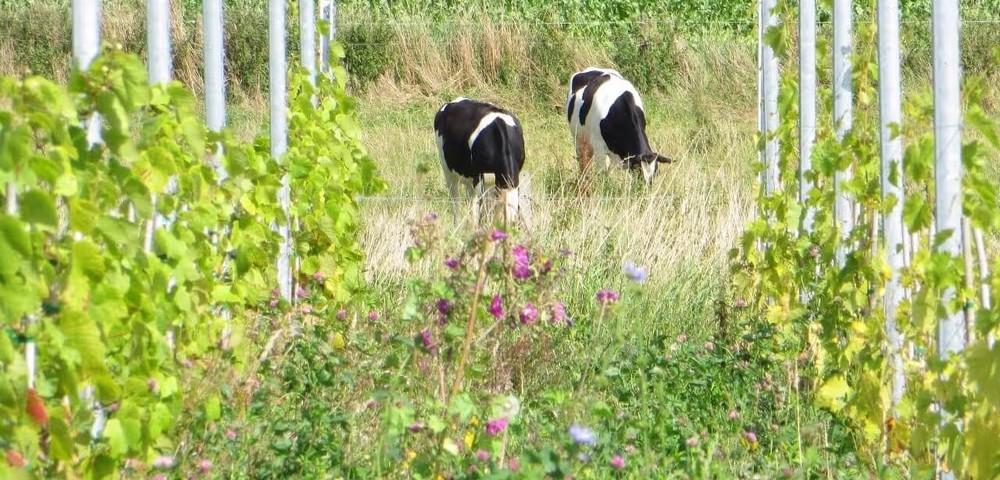
Few places embody this conviction as profoundly as Wijngaard Lijsternest. Tucked away in Otegem, Belgium, this vineyard is not just a place where wine is made; it is living proof of what happens when we work in harmony with nature. Their approach, rooted in agro-ecology, goes far beyond simply growing grapes. It is a story of restoration, biodiversity, and a deep respect for the earth.
This is not just about sustainable agriculture; it is about creating a thriving ecosystem. Wijngaard Lijsternest is rewriting the rules of viticulture and proving that the best wines come from the healthiest, most vibrant environments. Let’s discover how their unique philosophy nourishes both the land and the incredible wine it produces.
What is agroecology?
Before delving into the magic of Lijsternest, it is important to understand the principle that guides them: agroecology. This is not just a buzzword for green farming. Agroecology is a holistic approach that views a farm as a complete ecosystem. Instead of imposing human will on the land, it attempts to understand and work with natural cycles. The core idea is to create a resilient and self-sufficient environment. This means moving away from chemical agents and intensive soil management. Instead, the focus lies on building healthy soil, encouraging biodiversity, and creating a natural balance in which plants, insects, and animals all play a role. In essence, agroecology is a partnership with nature.
More than green: a truly ecological project
Many companies nowadays talk about reducing their ecological footprint. Wijngaard Lijsternest takes this a significant step further. Their mission is not only to cause less harm, but to actively do more good. They are committed to making their environment more diverse and resilient than they found it.
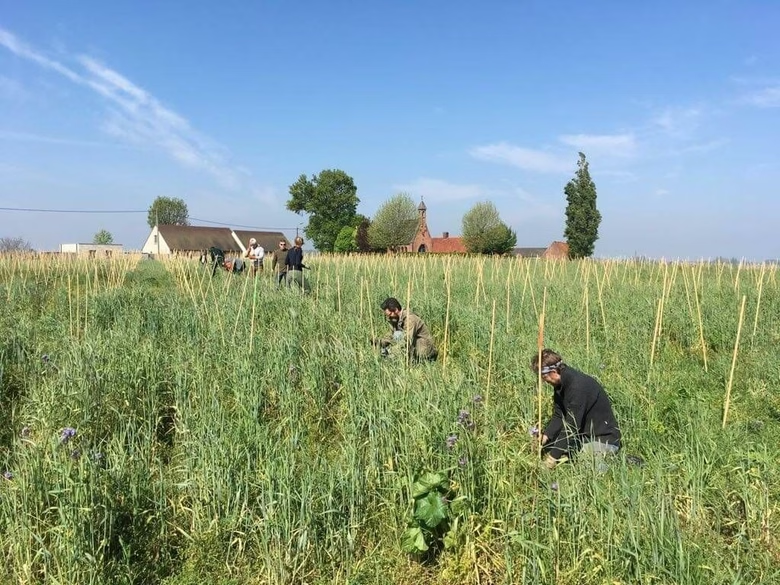
This commitment starts from the ground up, with a strong stance against greenwashing. No half measures are taken here. The team has pledged to avoid all pesticides: not even a single drop of copper or sulfur, which are often used even in organic farming. This decision reflects a deep trust in nature's ability to maintain its own balance when given the chance.
By refusing artificial interventions, they allow the vineyard's natural defense mechanisms to flourish. It is a bold choice that prioritizes the long-term health of the ecosystem over short-term convenience.
Feed the soil, feed the grape
The soul of every great wine lies in the soil. At Wijngaard Lijsternest, the soil is not treated as a resource to be exploited, but as a living being that must be nourished and cared for. One of their key practices is never to disturb the soil. Plowing and tilling are avoided, which helps preserve the complex network of microbial life essential for healthy plant growth.
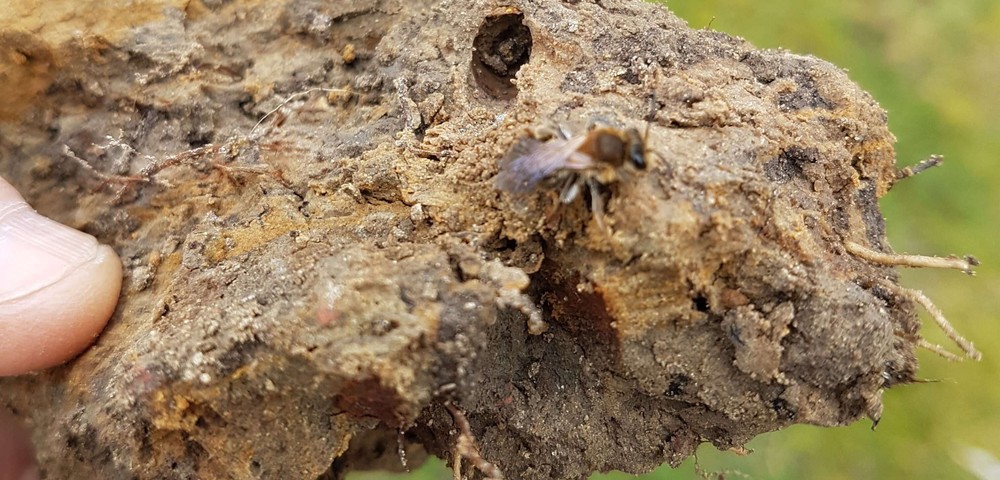
Instead of removing what they might consider "weeds," they focus on adding life. Each season, a carefully chosen mix of annuals is sown between the vines. These plants serve multiple purposes:
• They serve as food for the soil: As they grow and decompose, they provide essential nutrients and build up a rich, fertile layer of humus.
• They improve soil structure: Their roots help aerate the soil and improve water retention.
• They support biodiversity: These ground covers attract beneficial insects and microorganisms.
This practice of adding rather than taking away builds a foundation of incredible strength. The soil stores more carbon, becomes more resilient to drought and disease, and ultimately produces grapes that are not only healthy but also bursting with complexity and character.
A sanctuary for fauna and flora
Walk into Wijngaard Lijsternest and you immediately notice that it feels different from a conventional vineyard. It lives with the buzzing of insects and the fluttering of birds. This is no coincidence. The entire estate is designed as a sanctuary for wildlife.
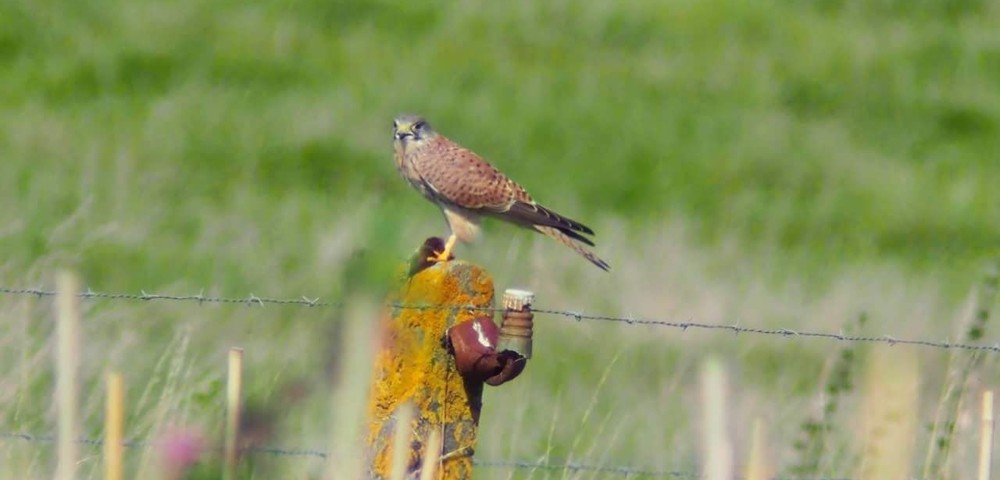
Hedges have been planted everywhere, creating sheltered corridors and habitats. These natural barriers provide a safe haven for animals to breed, hunt, and thrive. Bats, for example, are crucial predators of insects that can damage the vines. However, they need an "echo shield" to navigate and hunt effectively, something an open field cannot provide. The hedges at Lijsternest create the perfect environment for them to do their work.
This rich fabric of life creates an incredibly resilient ecosystem. Pests are kept in check by natural enemies, rendering chemical intervention unnecessary. The result is a self-regulating environment in which nature does the heavy lifting, consistently producing healthy and complex grapes year after year.
The taste of a living vineyard
So what does all this mean for the wine in your glass? Everything. The agro-ecological practices at Wijngaard Lijsternest are not just an ethical choice; they are the secret behind the exceptional quality of their wines.
Grapes grown in such a vibrant, healthy environment develop a depth and complexity of flavor that simply cannot be matched by conventional methods. They are a pure expression of their terroir: the unique combination of soil, climate, and ecosystem that gives a wine its identity. When you taste a wine from Lijsternest, you taste the story of a living, breathing vineyard.
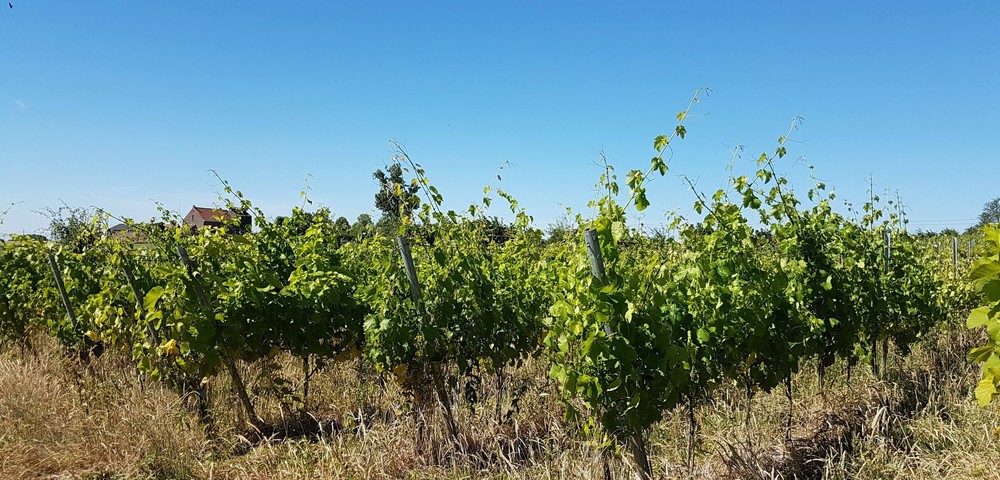
Lijsternest Vineyard reminds us that the best products come from a place of respect and cooperation with nature. It is a powerful story about how returning to ecological principles can create something truly extraordinary. They do not just make wine; they cultivate a legacy of resilience, biodiversity, and authentic taste for future generations.