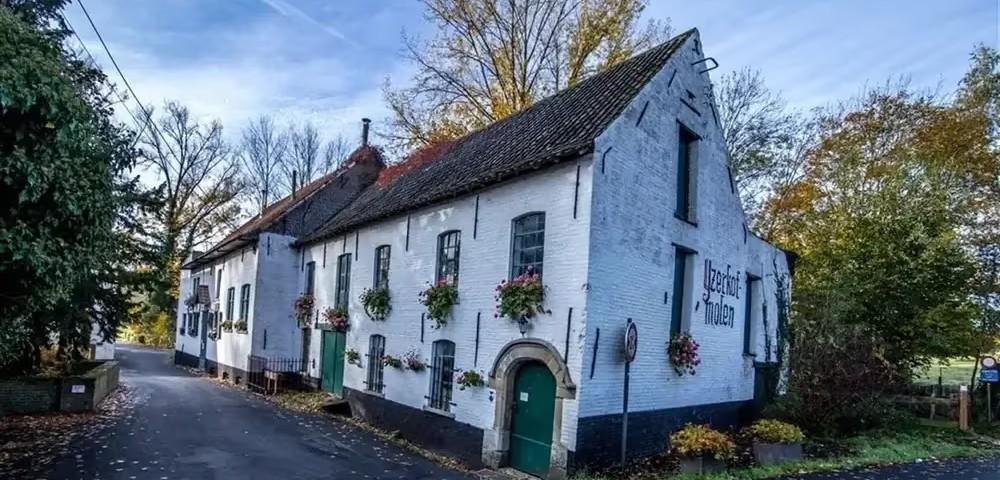
Deep in the heart of the Flemish Ardennes, in the quiet village of Sint-Maria-Latem, stands a monument that bears witness to time, craftsmanship, and community. The IJzerkotmolen, with roots dating back to 1412, is much more than a historic watermill. It is a living story about our connection to the land, our food, and each other. It is a place where the rhythmic turning of old millstones reminds us that the best things often stem from tradition, patience, and a deep respect for nature.
At oriri, we believe that food is a story, a narrative about people, passion, and a specific place. The IJzerkotmolen fully embodies this conviction. Flour is not simply produced here; a craft is preserved here that connects us to previous generations and nourishes our future. This is the story of how one mill quietly shapes a better, more sustainable food system, bag by bag of stone-ground flour.
A legacy carved in stone and water
The history of the IJzerkotmolen is as rich and layered as the soil from which the grains grow. First mentioned in documents from 1412, this watermill on the Zwalm has endured centuries of change. What many do not know is that the name "IJzerkotmolen" refers to only one of its many lives.
The mill originally started as a paper mill in the 16th century, a rare and important function at the time. Subsequently, it was converted into an iron mill (the 'iron shed'), where iron was forged. Later, in the 17th century, the mill even became a copper mill, where the metal was processed for weapons and bells, among other things. Only after this industrial period did it become an oil mill, and finally, in 1792, a grain mill was added on the opposite bank, creating a unique double mill.
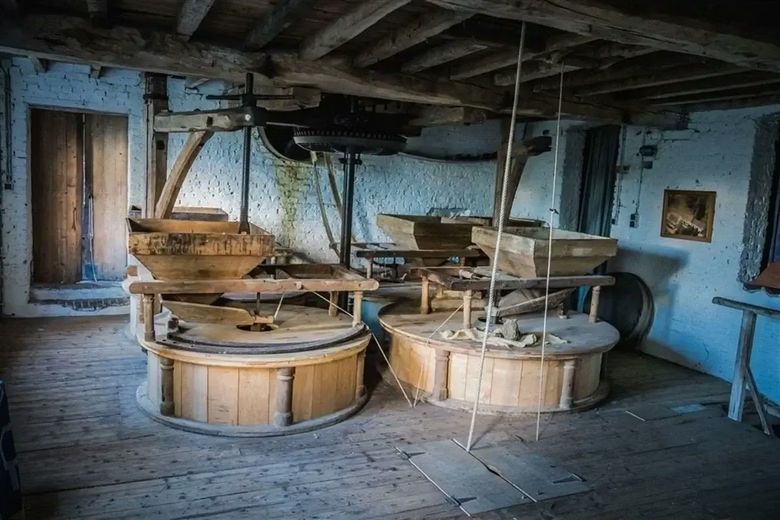
Walking on the grounds feels like a step back in time. The gentle murmur of the brook driving the large wheel, the creaking of the wooden gears, and the earthy scent of grain tell of a process that is consciously and deeply connected to nature. This is not a factory; it is a workshop where human ingenuity and the power of nature work together in perfect harmony. Preserving such a place goes beyond maintaining an old building; it is honoring the knowledge and skills passed down through the centuries.
From local fields to your kitchen: a duty to organic purity
What truly distinguishes the IJzerkotmolen in the modern world is its unwavering commitment to sustainable and local production. The mill works exclusively with farmers who grow organic grains in the immediate vicinity. This is a conscious choice: a powerful statement in a world dominated by industrial agriculture and long, complex supply chains.
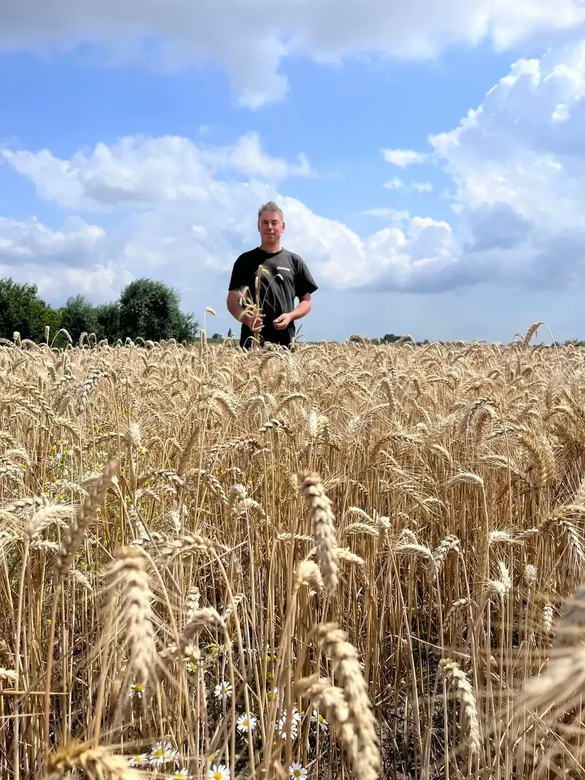
By sourcing locally, the mill supports organic farmers in the region and helps build a resilient and self-sufficient food community. It guarantees that every grain milled within its historic walls is free from synthetic pesticides and fertilizers, resulting in a pure and healthy product. This farmer-miller relationship is based on trust and a shared vision for a healthier planet. It is a beautiful, simple cycle: the grains are grown with care, milled with respect, and then return to the community to create nutritious food. This is the kind of authentic food story we share with passion.
The magic of stone grinding
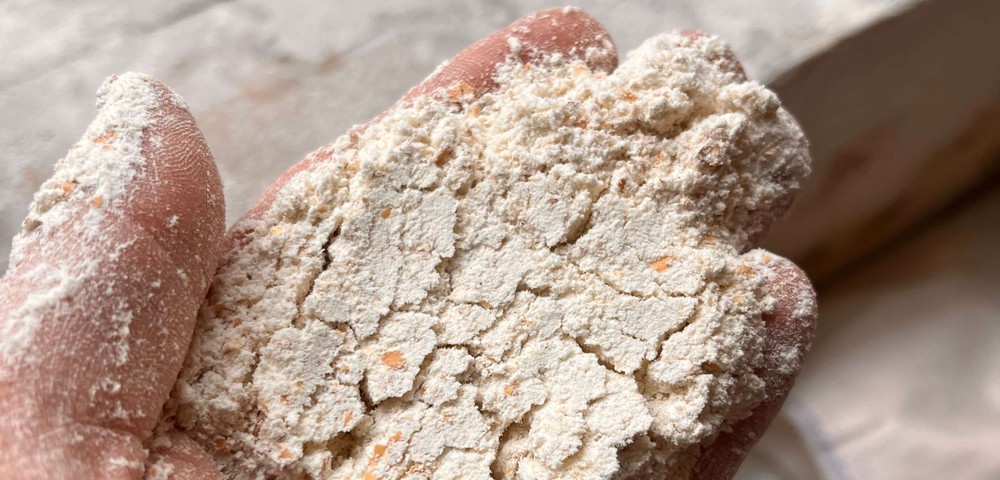
At the heart of the IJzerkotmolen lies the ancient art of stone grinding. Unlike modern industrial roller mills, which remove the most nutritious parts of the grain kernel, traditional stone grinding is a slow and gentle process. The massive millstones rotate at a low speed and grind the entire kernel (bran, germ, and endosperm) together.
This method has two remarkable advantages. First, the vital nutrients, fiber, and flavor naturally present in the grain are preserved. The resulting flour is not a white, starchy powder, but a living ingredient, full of character and goodness. You can taste the difference in every loaf of bread, every pastry, and every homemade pasta. It is a richer, more complex flavor that tells the story of the grain itself.
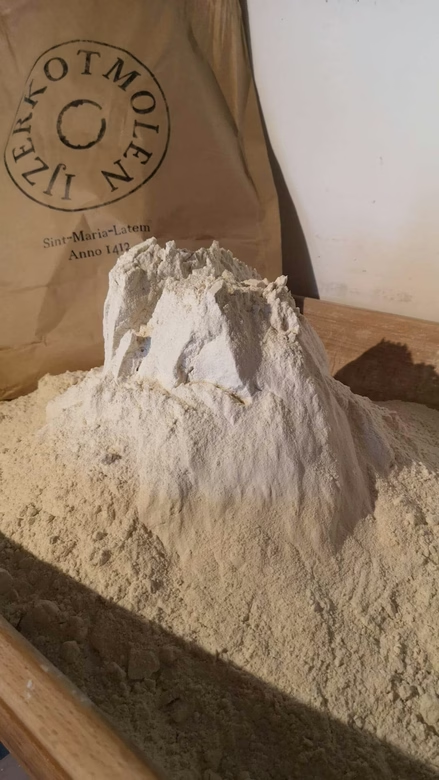
Secondly, the slow, cool process ensures that the flour does not overheat, protecting the delicate oils and vitamins. This is what makes stone-ground flour so vibrant and nutritionally superior. It is a craft that honors the integrity of the ingredient and transforms it into something that truly nourishes the body and stimulates the senses.
Building a better food system together
The IJzerkotmolen is more than a producer of exceptional flour; it is a vital hub in a growing movement towards a more conscious and connected food culture. It serves as a powerful example of how we can create a food system that is sustainable, transparent, and rooted in the community.
This is what a better food system looks like. It consists of passionate people dedicated to their craft. It is built on short, transparent supply chains, so you know exactly where your food comes from. It champions practices that restore our soil and protect our environment. The mill is a place where these ideals are not only discussed but put into practice every day.
By supporting places like the IJzerkotmolen, we become active participants in this story. We are not just consumers; we are collaborators in a food future that prioritizes quality over quantity, connection over convenience, and authenticity over mass production.
A taste of history, a bite of the future
The journey of the IJzerkotmolen from a 15th-century industrial mill to a modern beacon of sustainable food production is a powerful story of resilience and adaptation. It shows us that progress does not always mean trading the old for the new. Sometimes, the most innovative thing we can do is look back, rediscover the wisdom of our ancestors, and continue it with a renewed purpose.
We invite you to discover the story of the IJzerkotmolen for yourself. Taste the difference that stone-ground, organic flour makes. Feel the connection to a place where history, nature, and community come together. This is more than just food. It is a piece of our shared heritage, a step towards a healthier planet, and a delicious reminder of what is possible when we honor the stories behind our food.