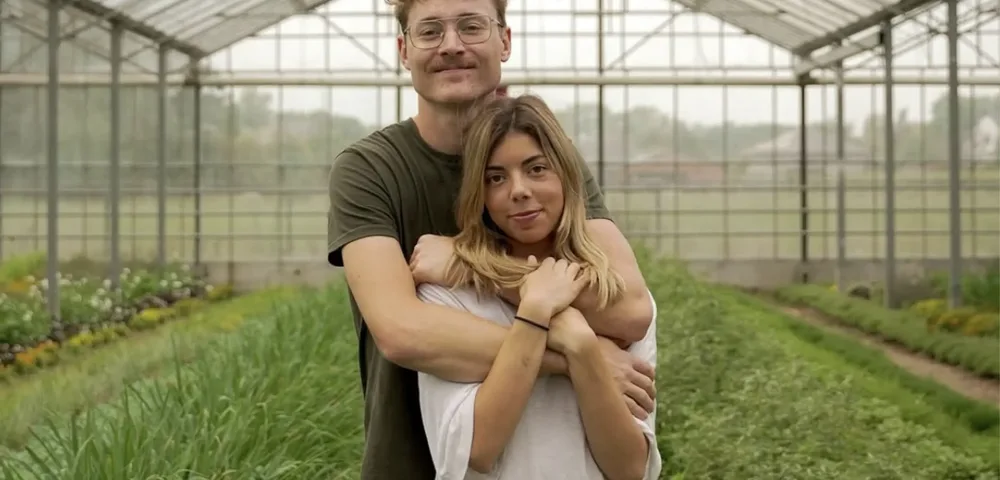
We have often been asked the question: How did you come up with the idea to start a herb nursery as two young people? Well, our story is truly a fusion of both our backgrounds. To us, that felt logical in a way, but naturally, starting in horticulture also came with quite a few challenges.
With a background in arable farming at Seppe's and the hospitality industry in which I, Loe, grew up, we never felt the urge to choose an office job as young twenty-somethings. I initially opted for a marketing degree, which ultimately proved to be a great asset to the growth of our company. The goal was clear: to blend the culinary passion for the kitchen with technical cultivation knowledge and a love for the land.
Pots, pans, and a nutrient-rich soil
I often joke about it, but I didn't immediately see myself sitting on a tractor. And so, in the meantime, I started my catering business. That ultimately turned out to be the real way to give free rein to my culinary creativity and build experience in hospitality . That is also how the first ideas for cooking workshops and botanical dinners in what would later become the Moes atelier originated. Among my pots and pans, I realized that if you really want to make a difference in terms of taste, you need to have control over the quality and origin of your ingredients. Being able to contribute to that, together with Seppe, was a wonderful, logical step.
This is how Moes came into being: a specialist herb nursery where agriculture and gastronomy seamlessly come together. Because fresh herbs deserve a much more prominent place in the kitchen. They are the ultimate flavor enhancers that give a dish an upgrade .
From dead soil to living topsoil
Of course, one thing didn't just lead to another overnight. You don't suddenly start a herb nursery. Seppe may have had a background in arable farming, horticulture, and specifically growing herbs, which is a trade in itself.
It helped that Seppe is at home in agriculture, but he still had to undergo significant additional training. And he still does. He considers it important to keep learning. Not only is technical knowledge for each herb important (and we grow nearly a hundred different varieties), but also all the environmental factors that can influence the herbs. Especially if you have the ambition to cultivate as naturally as possible. In the modern food industry, the link between the origin of our food and the final plate is sometimes hard to find. Moes wants to shorten that chain and make it more transparent.
We dove in with full conviction, backed by a strong business plan, a new brand identity, and a search for a suitable location. The biggest physical challenge? Fertilizing the soil of the purchased greenhouse. That soil hadn't been used for cultivation for years and was practically 'dead'.
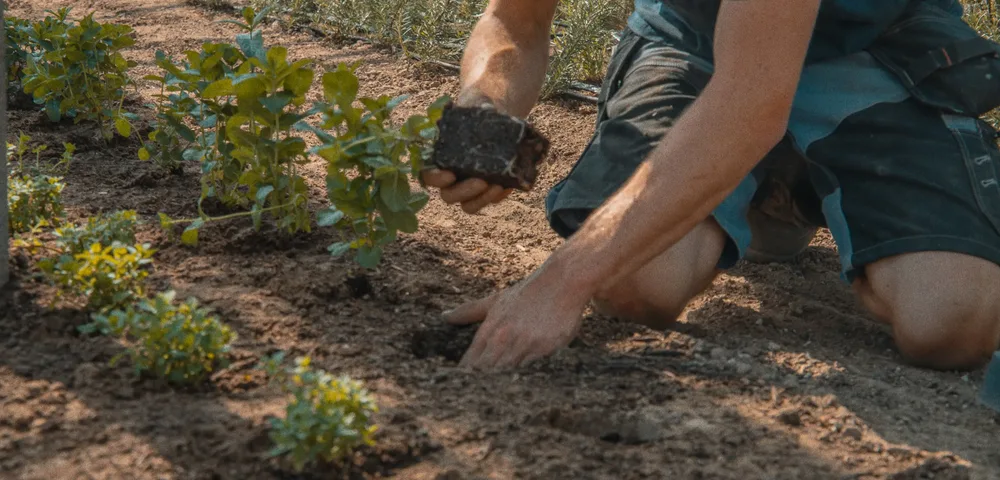
Transforming 'dead' soil into fertile, living earth is a long-term process. However, the investment is more than worth it: instead of depleting the soil, at Moes we choose restoration. By working with compost, organic matter, and soil conditioners, we build regenerative soil teeming with life. And you can taste it. A herb given the time to develop deep roots in rich soil grows much more compactly and sturdier and does not absorb unnecessary water.
Working with the rhythm and risks of nature
Let's be honest: the profession of a farmer isn't always romantic. Working outdoors in the biting wind, sweating under the glass of the greenhouse in temperatures exceeding 40 degrees, or watching a sudden thunderstorm throw your plans into disarray… It’s all part of the job.
Entrepreneurship in horticulture means working with a living product. It involves risks that we, as young entrepreneurs, must factor in every single day. Sometimes a crop succumbs to the weather; sometimes a pest calls for an immediate solution. Agriculture forces you to be humble. You do not dictate nature; you move with it.
To guarantee continuous quality for both consumers and professional partners, Seppe continues to delve into the latest cultivation techniques: Whether we are experimenting with forgotten herb varieties or exchanging insights into regenerative agriculture, standing still is not an option for us.
The link between agriculture and the food industry
As modern farmers, we see it as our mission to build a bridge to gastronomy and the food industry. Today's consumer wants to know what they are eating, but you only have that transparency if you choose local sourcing and honest ingredients.
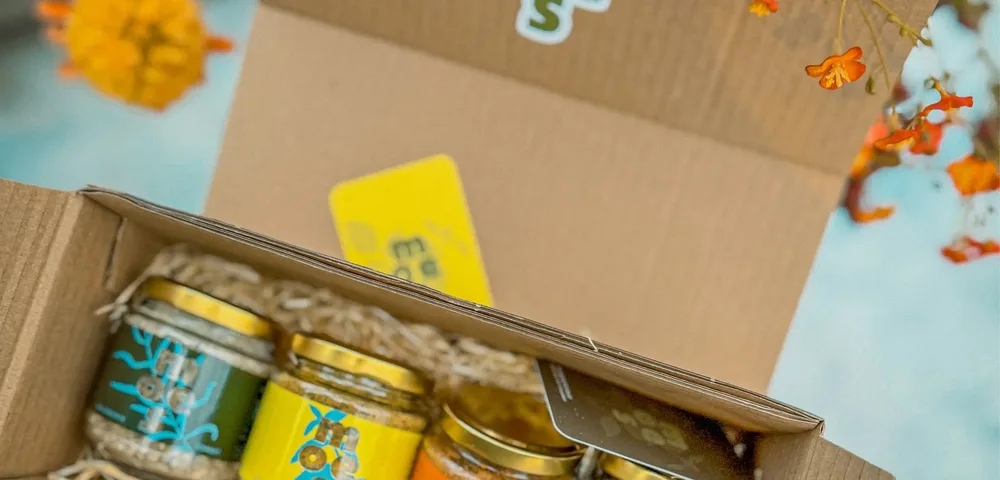
It is so rewarding to search for unique, traceable flavor profiles and combinations with chefs and product developers. With Moes, you capture the link from soil to plate. Collaborating with Moes therefore means knowing exactly who worked the soil, how the plant grew, and why that specific herb tastes so intense.
The ultimate goal of all that hard work in the field is and remains taste. The culinary aspect forms the common thread running through everything Seppe, our staff, and I do. And on a plate or in a product, that comes into its own in a very tangible way. That gives immense satisfaction. Whether seeing our guests enjoy a botanical dinner or a cooking workshop in our studio, or fine-tuning a recipe for a delicious product: this is what we do it for.
Would you like to come and see for yourself how things work at Moes?
You are of course welcome! Just let us know.