
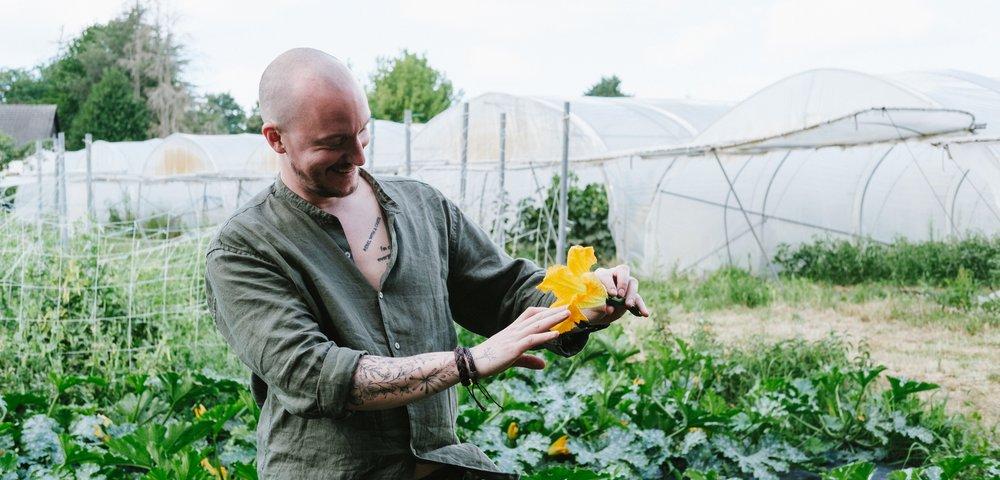
At Entropy, gastronomy is approached as an ecosystem rather than a standalone culinary exercise. Hidden in Brussels, the restaurant has developed over the years a singular identity rooted in craftsmanship, circular design, seasonality and direct collaboration with more than 45 producers and artisans across Belgium and Europe.
Everything begins outside the kitchen.
Before becoming a dish, ingredients already carry landscapes, climates, techniques and stories. At Entropy, the team works in close dialogue with regenerative farmers, herbalists, millers, bakers, fermenters and independent artisans whose work directly shapes the menus. The restaurant does not attempt to impose a fixed creative vision onto products; instead, it adapts continuously to harvests, natural cycles and the realities of small-scale production.
Menus evolve almost daily depending on what the land provides. A colder spring, a shorter harvest, an abundance of herbs or an unexpected surplus can entirely redirect the creative process. This flexibility is central to the restaurant’s philosophy: cuisine becomes meaningful when it remains connected to the living systems surrounding it.
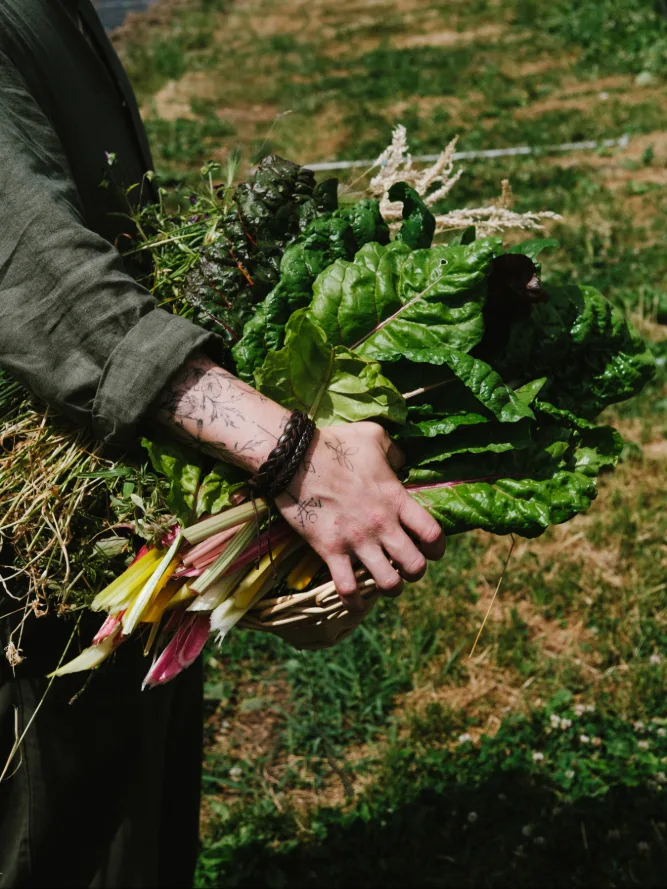
Among the producers guiding this approach, Le Monde des Mille Couleurs plays a defining role. The regenerative farm supplies a constantly changing diversity of vegetables, edible flowers and aromatic herbs that often become the starting point for new dishes. Rather than using products as decorative additions, the kitchen builds compositions around their natural rhythms, textures and imperfections.
Entropy also collaborates closely with artisans working within circular production models. Bread from bakers, for instance, is revalorised through fermentation, transformed into Kvas, a natural fermented non alcoholic drink. Vegetables trimmings are upcycled into sauces, broths, vinegars or entirely new culinary bases. Across the restaurant, by-products are continuously reconsidered and reintegrated into the creative process through techniques such as pickling, drying, smoking and fermentation.
This philosophy of transformation naturally extends beyond the plate.
The restaurant’s interior reflects the same commitment to craftsmanship and sustainability as its cuisine. Much of the furniture, lighting and architectural elements have been handmade, reclaimed or upcycled in collaboration with local artisans and designers. Reused wood, salvaged materials, repurposed objects and handcrafted details shape a space that feels both raw and intimate.
Rather than hiding traces of previous lives, the design embraces them. Surfaces carry texture, irregularity and visible craftsmanship. Every object seems chosen for its story as much as for its function. The result is not a polished concept of sustainability, but a living environment built through patience, resourcefulness and collaboration.
Entropy’s aesthetic mirrors its culinary philosophy: nothing is treated as disposable, and beauty emerges through transformation.
This artisanal approach creates a particular atmosphere inside the restaurant. Guests are not only invited to discover flavours, but also to experience the network of human relationships behind them — from farmers and ceramicists to fermenters, carpenters and bakers. The boundaries between agriculture, craft and gastronomy become intentionally blurred.
Chef Elliott Van de Velde often describes cuisine as a space where territory, memory and imagination intersect. One dessert developed in collaboration with Graines de Curieux illustrates this philosophy particularly well. Starting from ingredients rarely associated with pastry — quinoa, lentils and other legumes — the kitchen created creamy, risotto-like textures layered with lightly caramelised pear, chicory cream and malt ice cream. The final result subtly evoked familiar childhood flavours while remaining deeply connected to agricultural products and contemporary techniques.
Throughout the menu, dishes emerge less from demonstration than from observation. Fermentation, preservation and low-waste methods are not presented as trends, but as practical extensions of a cuisine grounded in respect for ingredients and their producers.
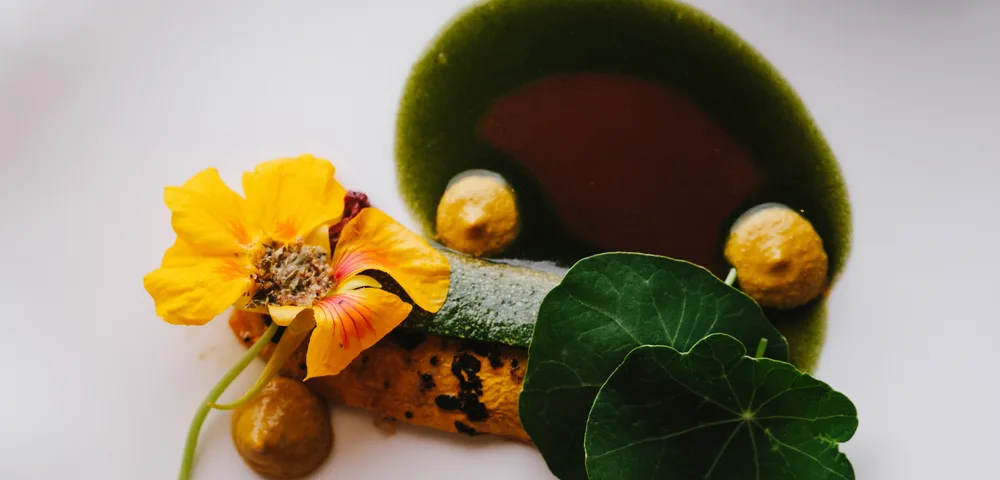
Sustainability at Entropy therefore operates quietly, through concrete daily decisions rather than declarations. Direct sourcing reduces unnecessary intermediaries and strengthens relationships with independent farms and workshops. Adaptive menus limit waste and encourage biodiversity. Circular design practices extend the life of materials and objects within the restaurant itself.
This way of working also contributes to a broader local ecosystem. By collaborating directly with small-scale producers and artisans, Entropy supports forms of knowledge and craftsmanship that often struggle to survive within industrial food systems. Traditional techniques coexist here with experimentation, creating a model where innovation grows from heritage rather than replacing it.
Ultimately, Entropy proposes another way of understanding fine dining — one that reconnects gastronomy with agriculture, craftsmanship and ecology. The restaurant does not seek to romanticise nature or over-narrate ingredients. Instead, it creates the conditions for products, people and materials to speak for themselves.
The result is a deeply contemporary restaurant where cuisine, design and sustainability are inseparable: a space built through collaboration, shaped by seasons, and grounded in a profound respect for the living world.